Words and Photos by Dil Kaur
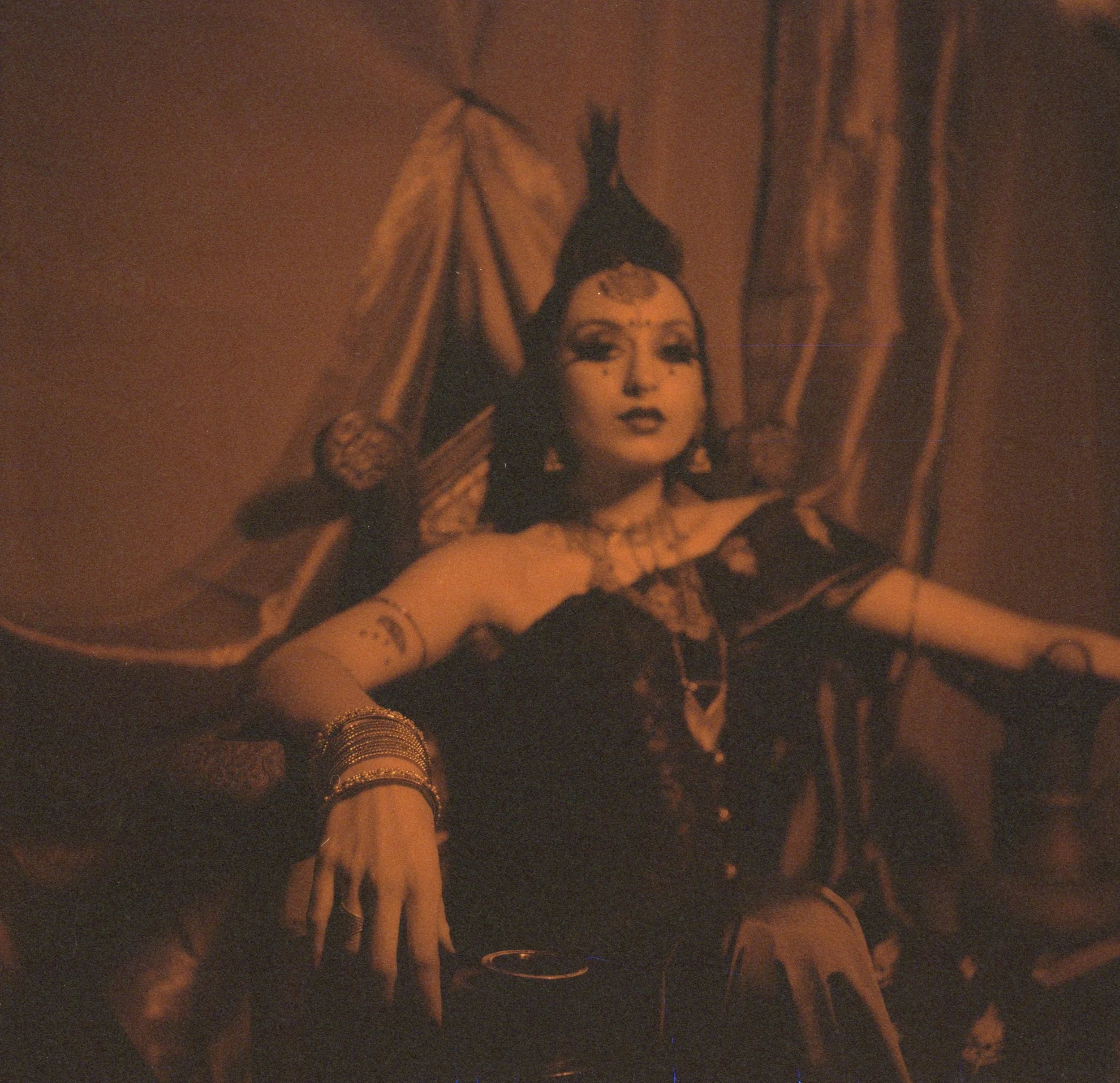
Dil Kaur explores the possibilities of alternative South Asian beauty, calling on us to look beyond Eurocentric beauty standards. Here, she also challenges herself to imagine what the goth subculture might have looked like had it started in South Asia in the 80s, and explains her fears in sharing her interpretation.
This article was originally commissioned in 2022 for The Fashion Issue. The issue never made it to print, but we’re now sharing the articles with you on our website.
The discourse on the beauty industry profiting off our insecurities and pedalling Eurocentric standards of beauty has become mainstream in recent years. While things are changing, I’ve started to think about how people who are part of alternative subcultures, the supposed harbingers of “counterculture,” uphold these same beauty standards. As South Asian people, many of us still follow and uphold Eurocentric standards of beauty because the alt South Asian sphere is still young. But what could our expression look like if we were to explore without restricting ourselves to our current points of reference for alternative beauty?
We’ve all experienced it; you go online for makeup or hair inspiration and the majority of the faces you see are white. From a purely technical standpoint, it makes sense – what we know of alternative culture, and therefore its expressions of beauty and fashion, is based on social movements that started in the Western world. For example, the goth subculture started in the UK in the early 80s and the fashion is partly influenced by earlier eras such as the Victorian era. So when you search “goth” on Pinterest, you’re met with pale skin, Victorian-era corsets, fishnets and the odd film photo from the 80s usually taken in a stairwell or an alley or a nondescript all-American-looking home. However, globalisation and living in the digital age means these subcultures, along with their fashion, have inevitably made their way around the world and captured new audiences.
“In trying to counter the standards of beauty set by the media around me, I ended up – unintentionally – paying homage to classic Bollywood.”
As a young, brown person who grew up in Singapore, trying to find myself in the alt landscape – specifically in the goth sphere – I often felt I would never be “goth enough” because I didn’t look like the people I drew inspiration from on Pinterest. I also didn’t have access to the same media or materials. For instance, I remember reading a blog post on goth eyeliner and wondering whether I could use my surma to recreate the look or if I’d have to buy eyeliner. I also remember getting so mad when my mum said that my beautiful dark winged liner looked very 60s Bollywood. How dare she! I was trying to be different!
Opposing the mainstream keeps alternative expression alive. When mainstream Western society favoured youthful flushed faces, the goths countered that with pale skin and sunken eyes. Perhaps for many South Asian alternative folk, the solution is to find a balance between challenging one’s ethnic culture, but also celebrating it. I came to realise the beautiful irony of my mum’s comment on my winged eyeliner. While dark eye makeup was oh so edgy and counterculture in the Western world, many South Asians knew black smudged kohl complemented our features. In trying to counter the standards of beauty set by the media around me, I ended up – unintentionally – paying homage to classic Bollywood. Just by altering my point of reference, my expression could mean different things – but I always looked cool.
“Perhaps for many South Asian alternative folk, the solution is to find a balance between challenging one’s ethnic culture, but also celebrating it.”
I think there will always be a creative challenge of answering what alternative South Asian beauty can look like. Using my own exploration into the world of goth beauty and fashion as an example, if we strip goth down to its core values it’s an appreciation for the dark and melancholy. It’s driven by poetry and art that celebrates a fascination with horror and the grim, and I think that is where the struggle of true South Asian goth expression lies. I’d like to believe there’s more to South Asian goth expression than pairing black lipstick with churiyan and jhoomkis.
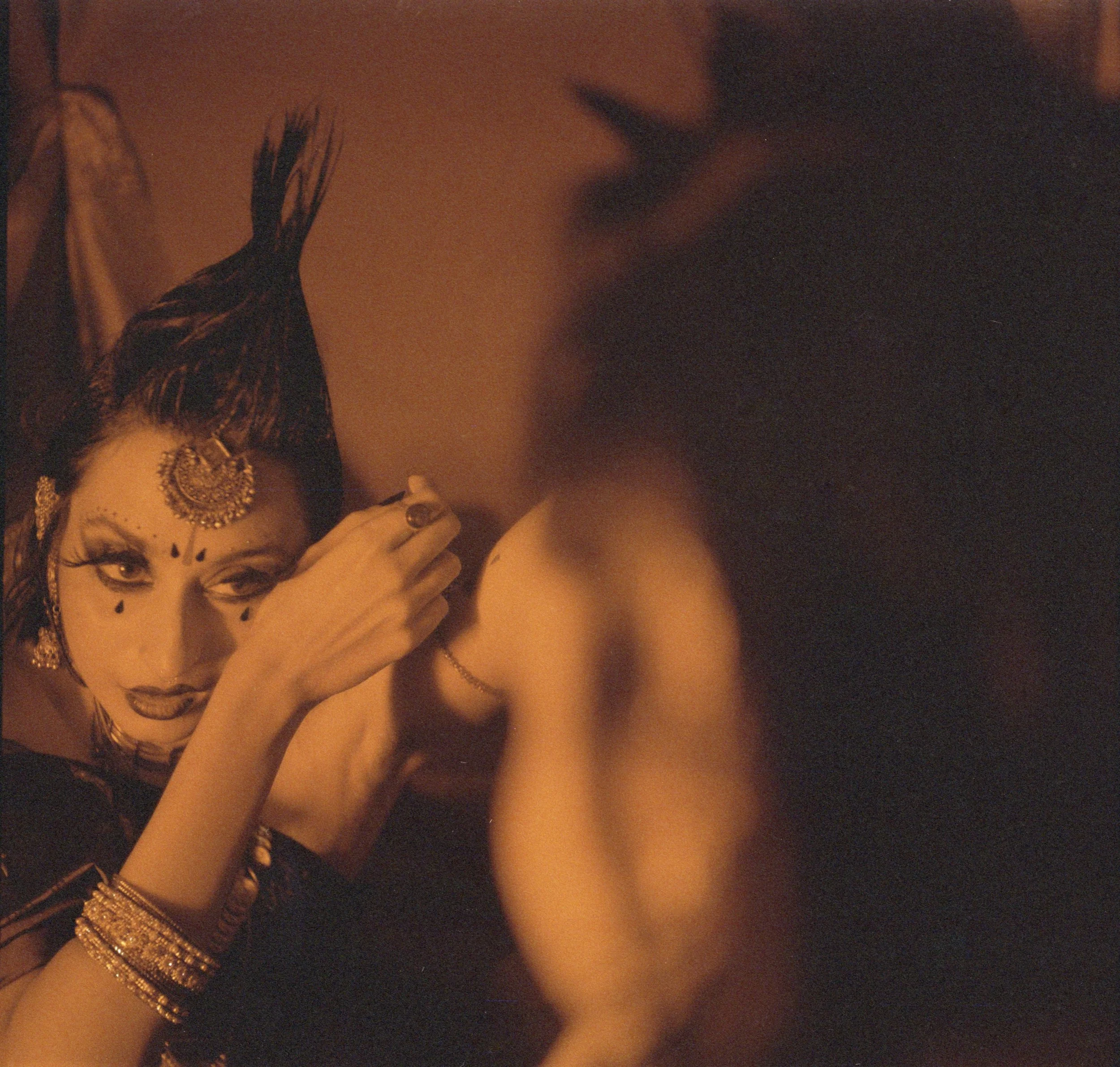
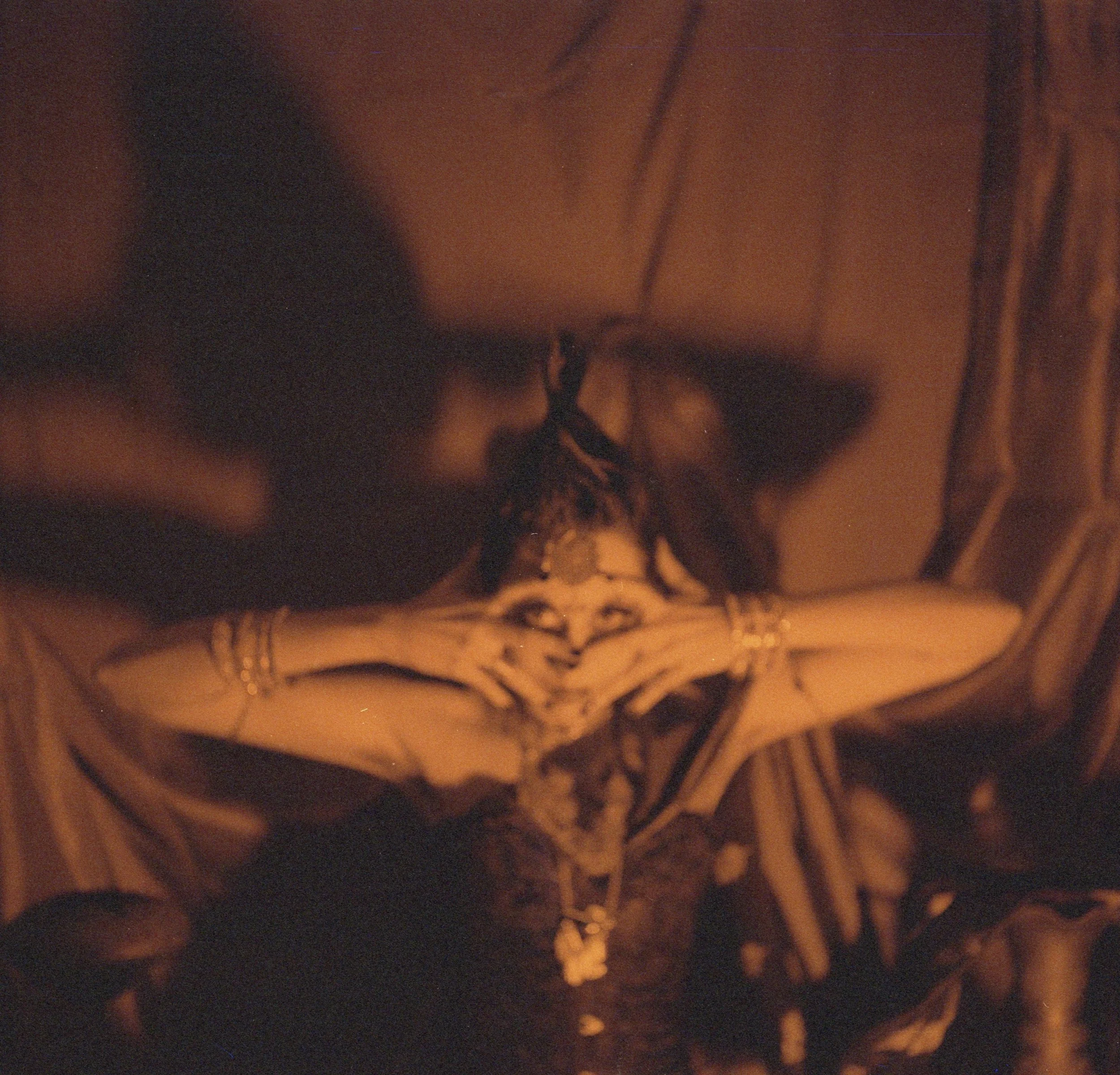
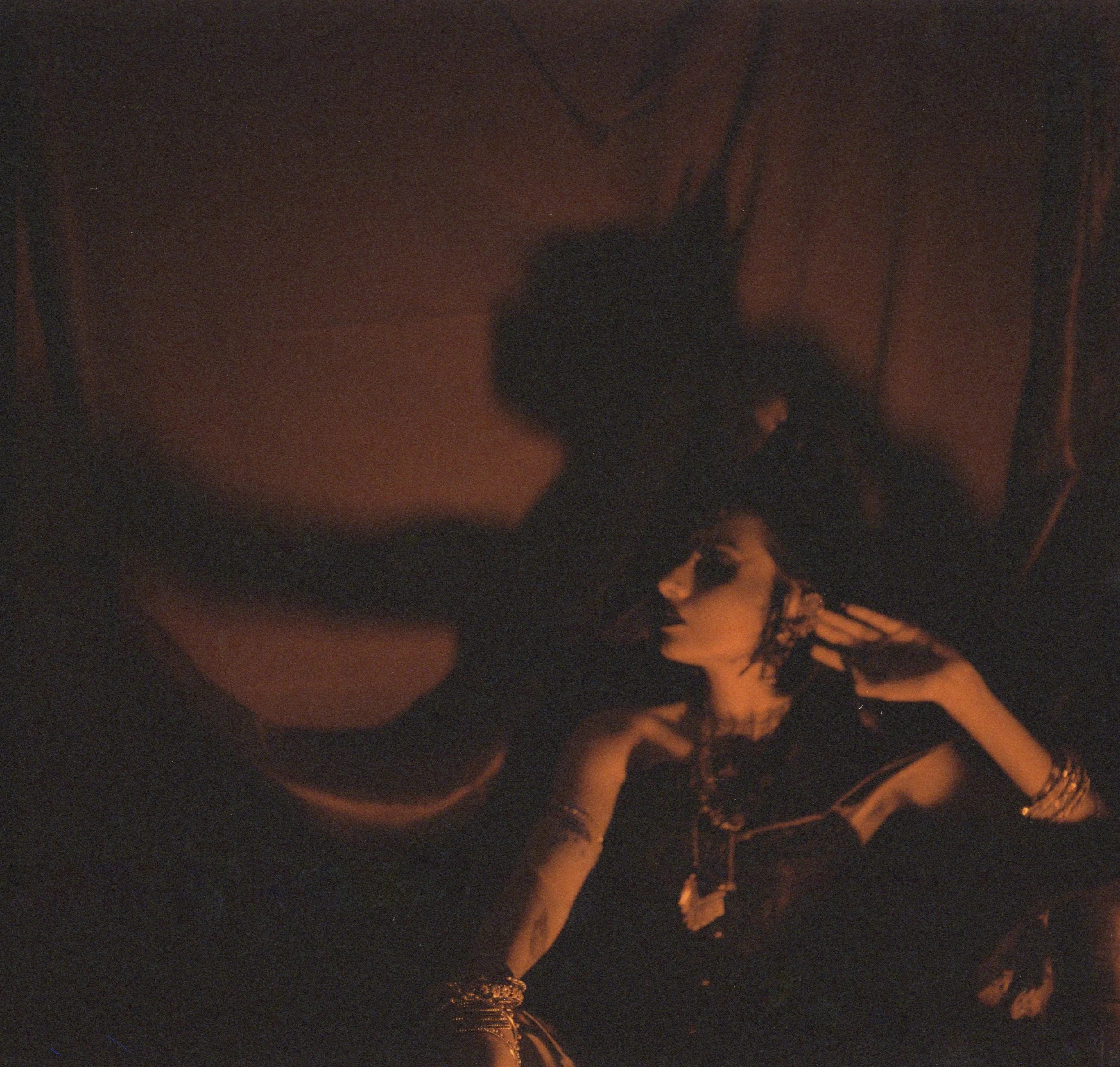
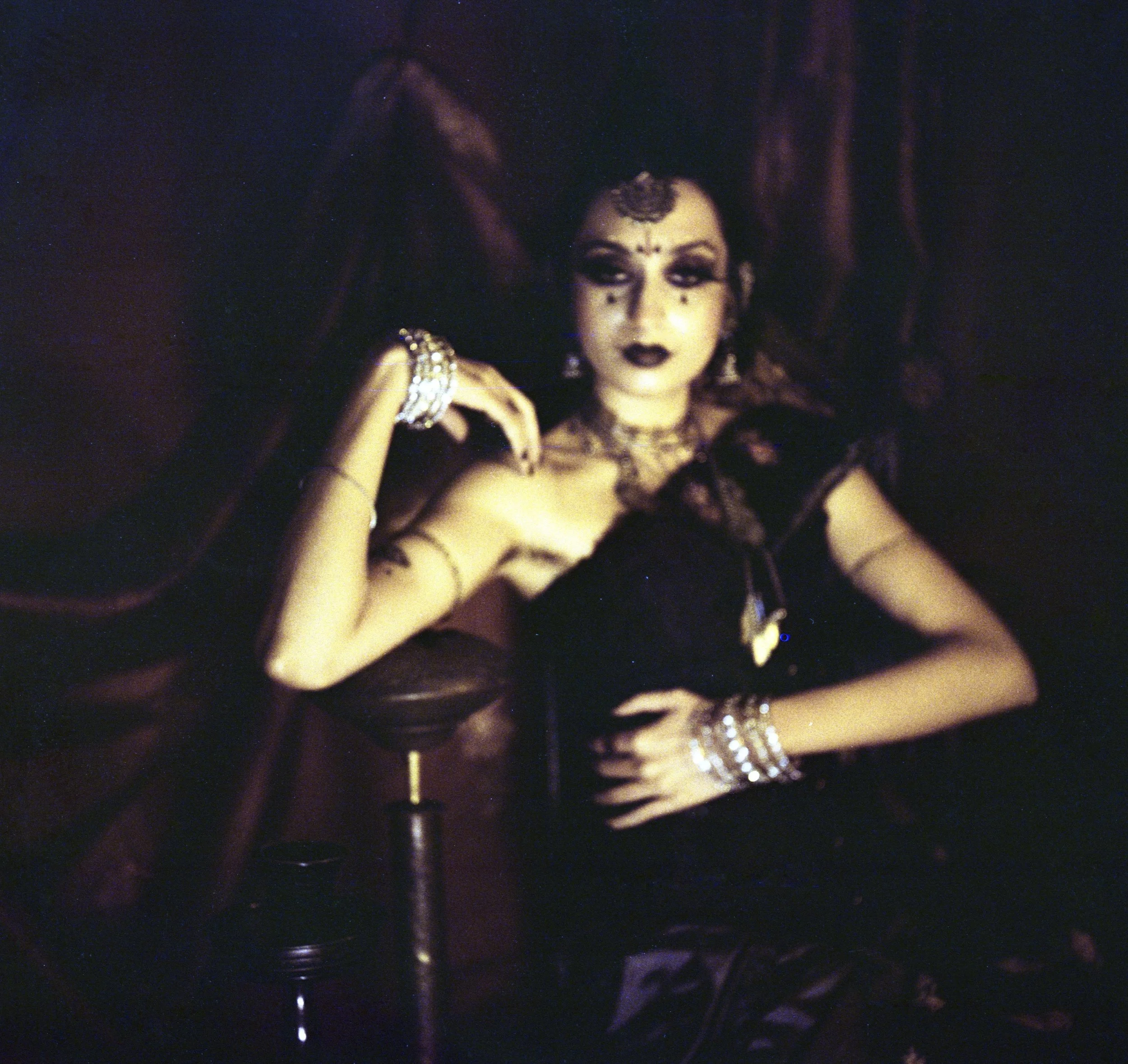
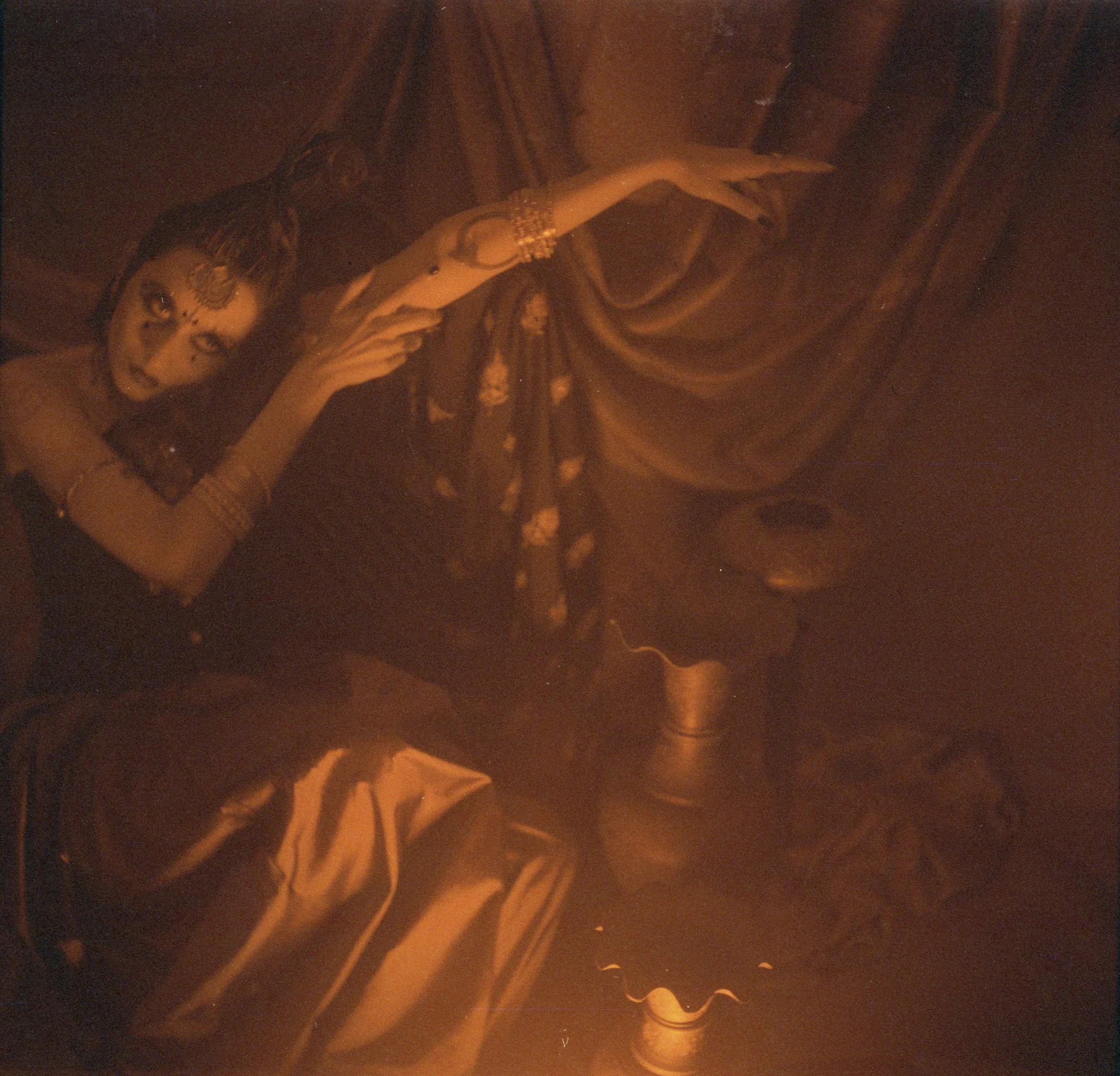
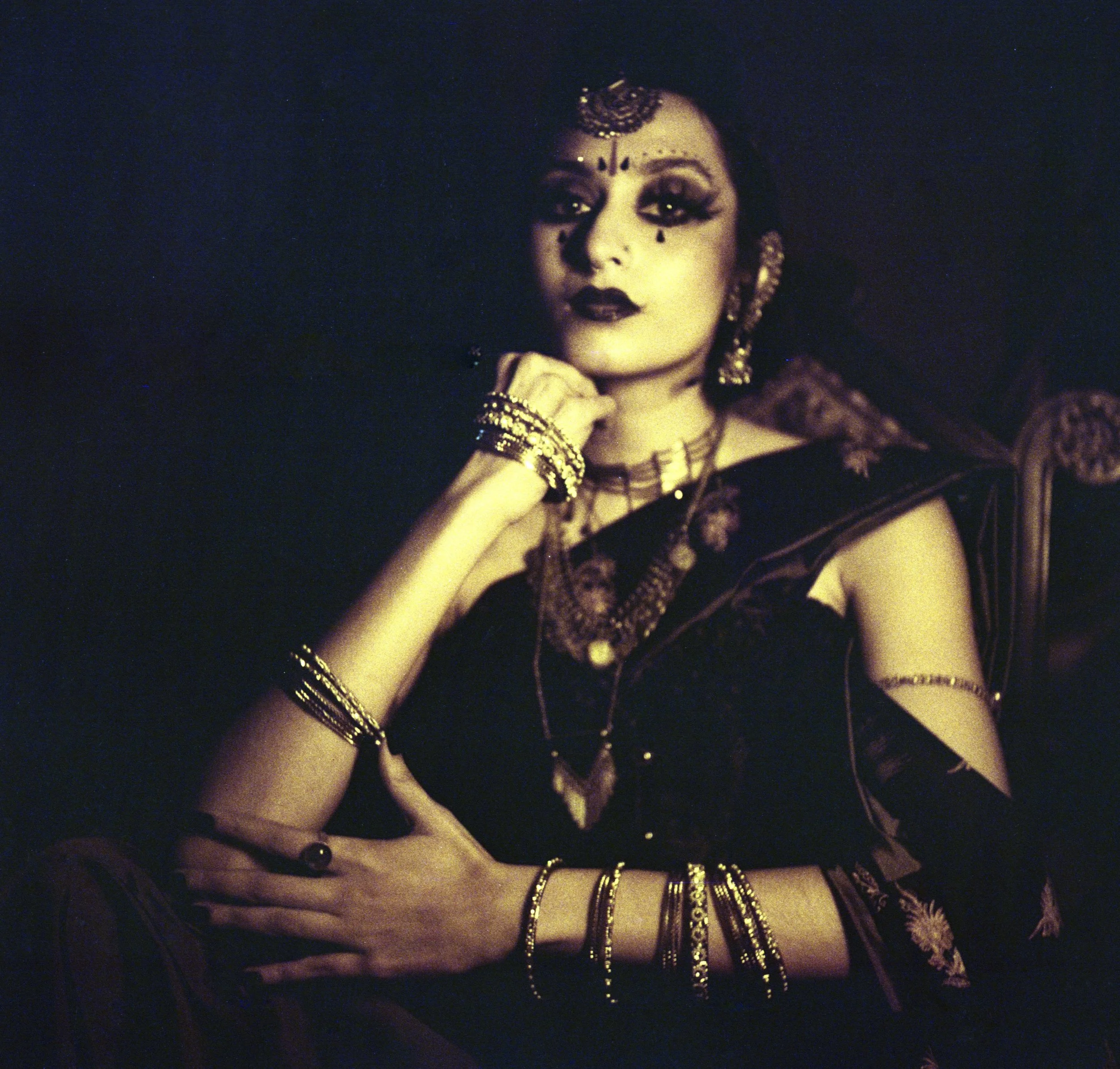
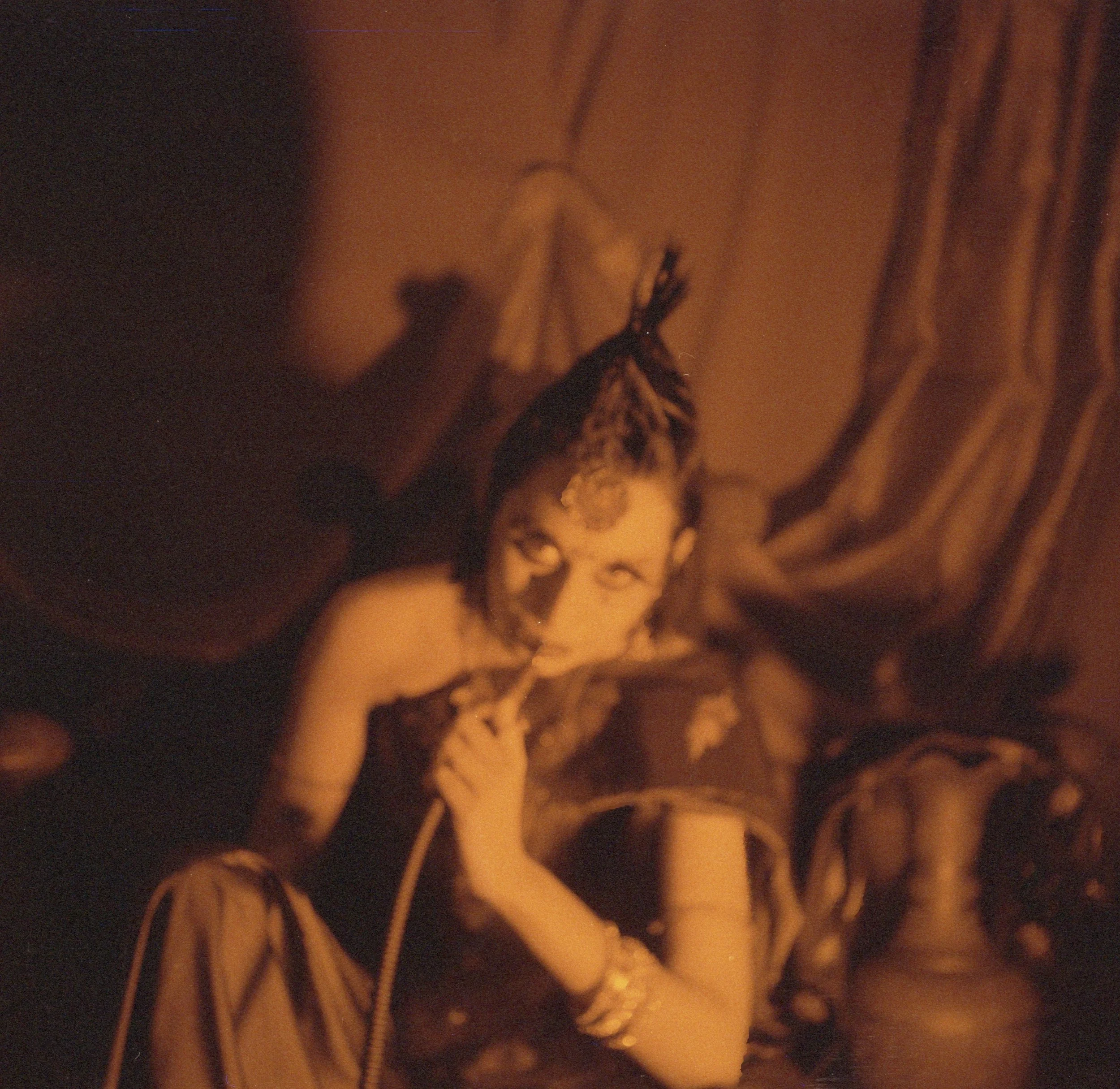
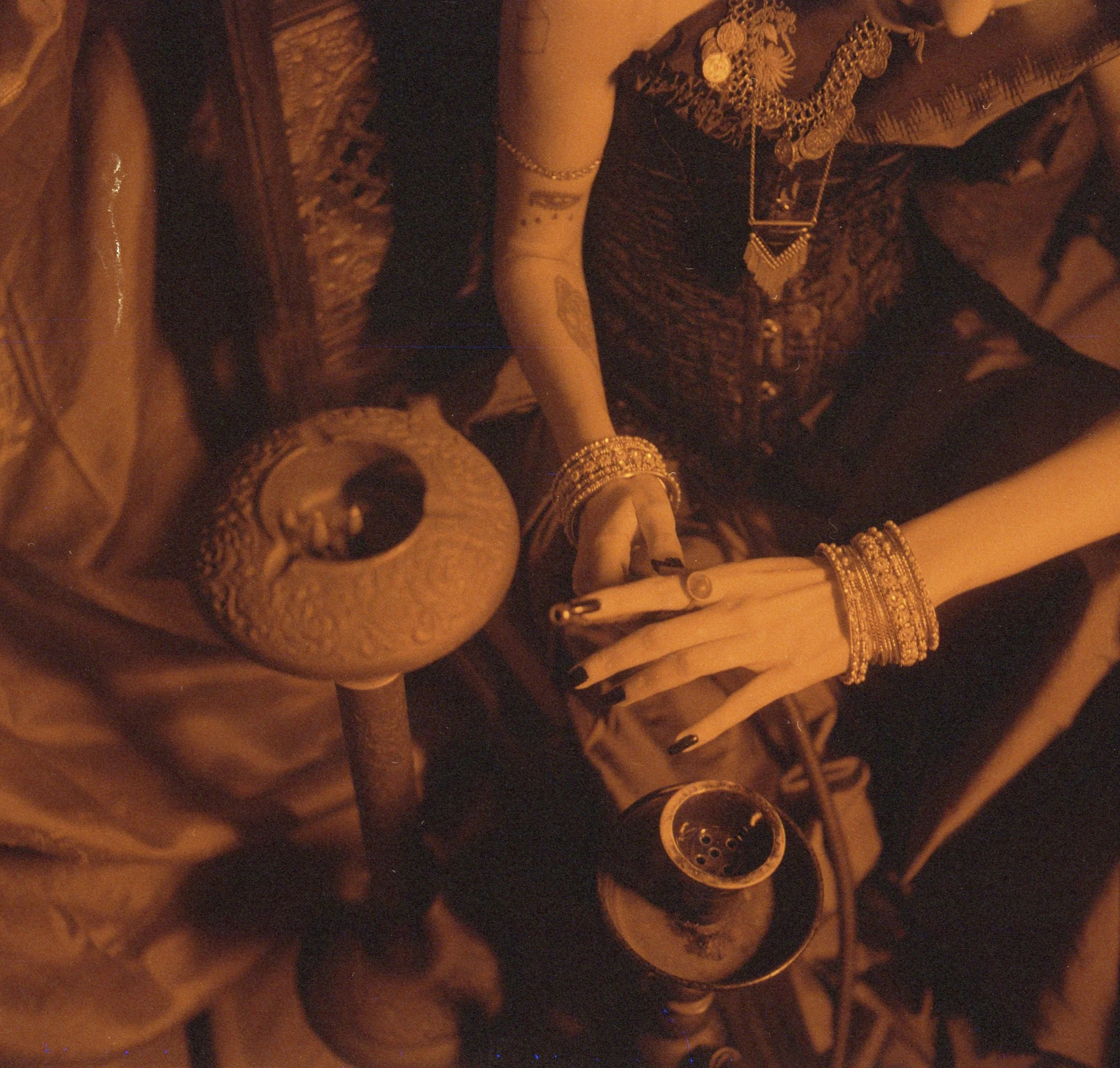
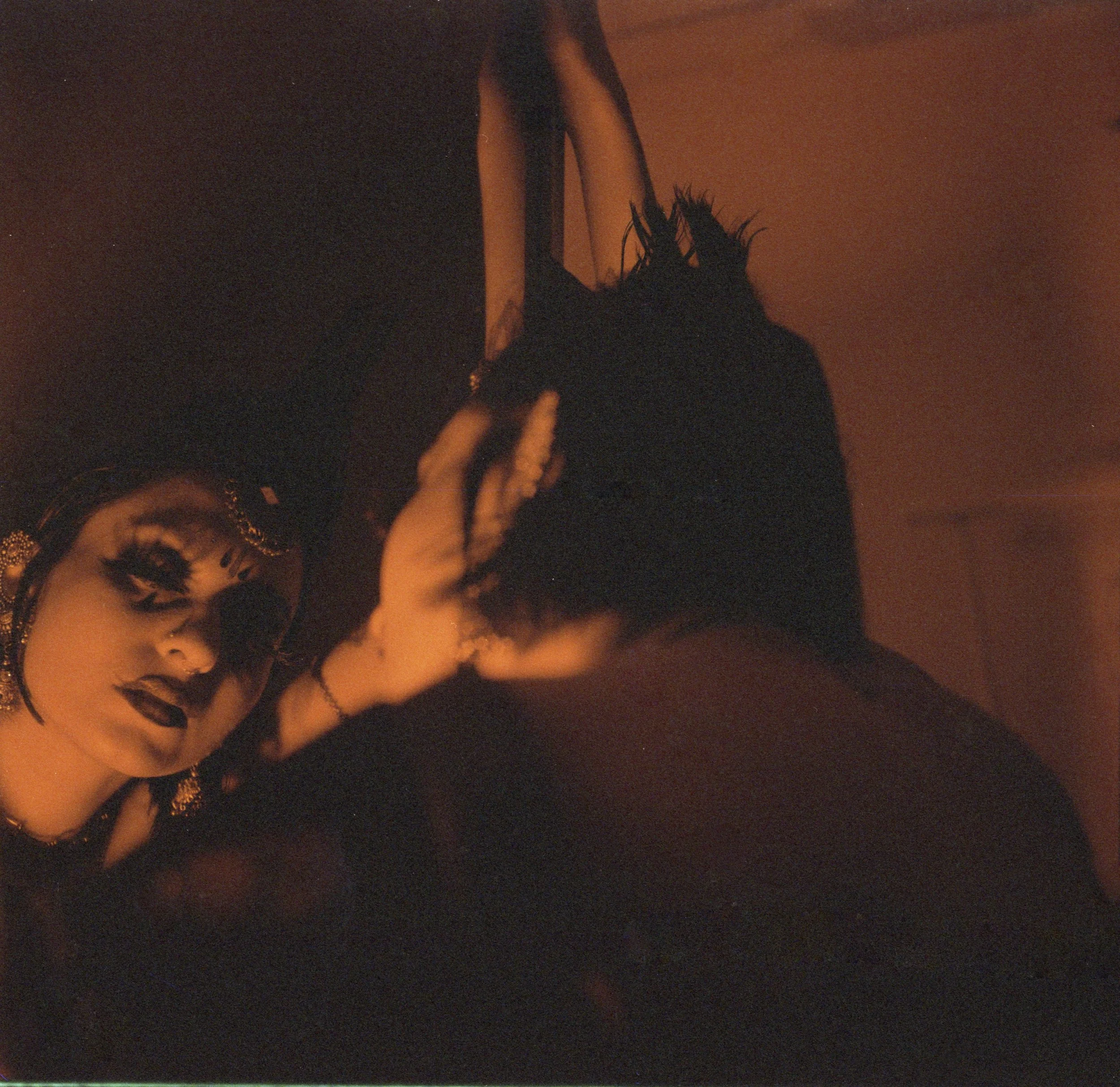
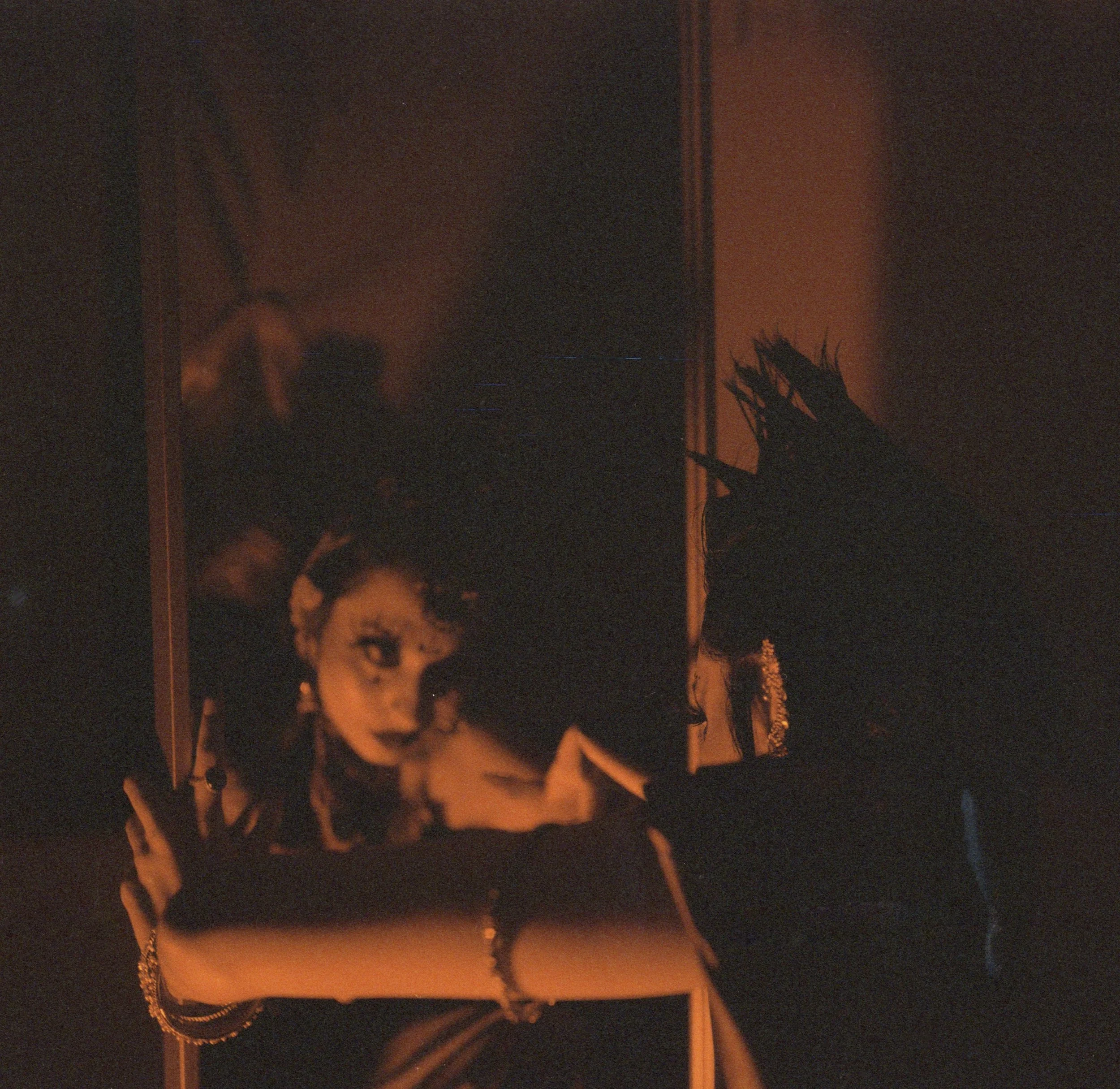
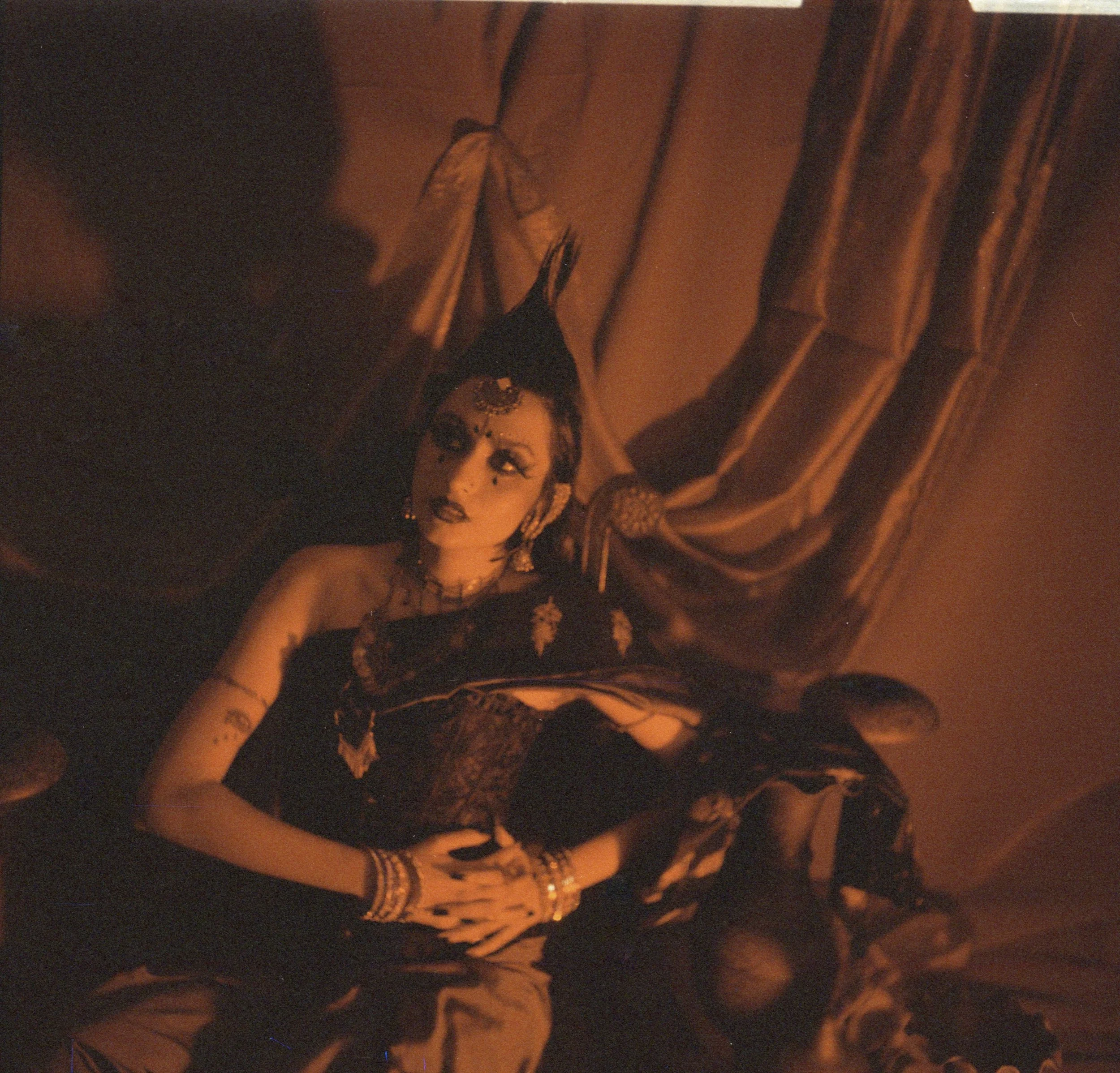
I wanted to style a shoot to personally explore what 80s trad goth could look like if the movement began in South Asia. But when creating these images, I feared being misinterpreted. Would people think there was something inherently disrespectful about my portraying South Asian culture through an aesthetically darker lens? Would I have to prepare my DMs for cultural purists telling me I’m wrong? The move to dismantling oppressive beauty standards and inspiring new forms of expression is simply to exist in our alternative brown selves, relishing in the potential of the mohawk-saree combination. But that’s scary, and not in a cool way.
The fight for representation of South Asian aesthetics in popular media is one that focuses on joy, colour and general positivity. Beauty aesthetics in alternative communities tend to be a little rough around the edges, full of character and grit, but still very picturesque. Are we afraid of what it might mean to romanticise the macabre and grit of South Asia? Perhaps it is the taboo of idolising symbology and rituals without proper respect. Or perhaps it is the question of whether we really want to celebrate the grim and grit of South Asia, living in a world and global culture that exoticises, misunderstands, and appropriates our cultures. South Asian beauty standards themselves are known to be colourist and problematic, can we move beyond that when we create our alternative realms?
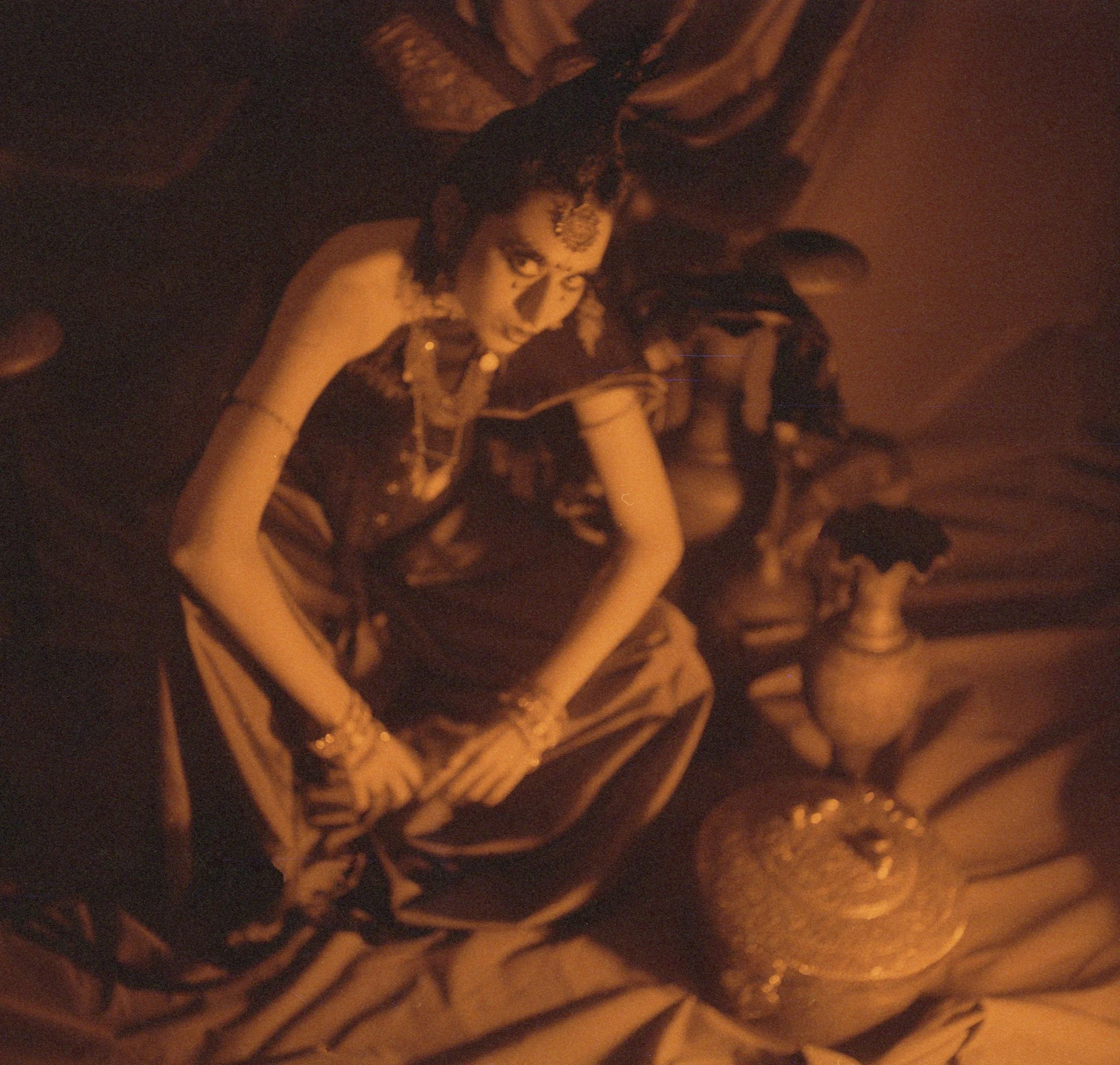
Perhaps another element to this growing puzzle of exploring South Asian alternative beauty is the idea of upholding class and social structures that the diaspora seek to gain from. Going against existing standards of beauty means actively trying to be less like them. But isn't becoming one of them exactly what the generations that came before us sought for?
A lot of social and political discourse comes into play when determining who has the moral rights to define South Asian cultural expression. But I think beyond all the intellectualising, we have to remember that expression and beauty should be one thing: fun. I think we can all ask questions and strive to dismantle standards of beauty. But while we do that I also think we can play with the aesthetics of “traditional” alternative beauty. Yes, I am talking about the textbook cliché goth aesthetic, but in our own way. So ditch the pale foundation, darken your signature South Asian under-eye hyperpigmentation, and get your best black lipstick on because we’ve got photos to take.
We can take up space in the alternative beauty sphere, and we have already seen some excellent expressions of alternative South Asian beauty. However, I don’t think beauty standards are going to change unless as a community we continue to make ourselves visible. We need to show up in Pinterest searches of #gothbabe which is actually a lot easier said than done considering most of us don’t really exist online because some aunty might see it. But you know what, maybe if you’re scary enough, she’ll stop looking.
About Dil
Dil Kaur (she/her) is a researcher and creative spanning costume design, makeup, and visual arts from Singapore. Tell her a ghost story to make her day!